

A good influencer engagement rate exceeds the relevant benchmark for the platform, audience size, content format and campaign objective. A useful rate also comes with comments that show genuine interest in the creator, product or story.
For sponsored fashion content on Instagram, Traackr reported benchmarks of 1.14% in the United States, 1.30% in the United Kingdom and 1.84% in France. Use the relevant market as a starting point, then check the denominator and read what people actually say.
A fashion brand may see one report call 1.5% healthy and another describe 4% as average. The difference is often methodology. Before deciding whether a rate is good, ask: engagement as a percentage of what, and what are people actually saying?
There is no universal influencer engagement rate
Engagement rate measures the share of an audience that reacted to content. The denominator changes the meaning of the result.
None of these formulas is inherently wrong. Problems start when a brand compares numbers calculated differently. The formula should match the decision the brand needs to make.
Fashion influencer engagement benchmarks
Traackr's analysis of 342 fashion brands reported these Instagram engagement benchmarks for creator content:
| Market | Sponsored | Organic |
|---|---|---|
| United States | 1.14% | 1.65% |
| United Kingdom | 1.30% | 2.23% |
| France | 1.84% | 2.84% |
These figures are reference points, not universal pass-or-fail scores. Market, creator size, platform behavior, paid support and calculation method can all change the result.
What LookSky observed across 616 fashion posts
LookSky reviewed 90 days of company-reported performance across four measured virtual-influencer identities: three WeStyle-owned influencers and one influencer owned by a brand client.
| Virtual influencer | Posts | Views | Engagements | IG rate |
|---|---|---|---|---|
| Lila Rubin | 94 | 1.2M | 55.1K | 5.8% |
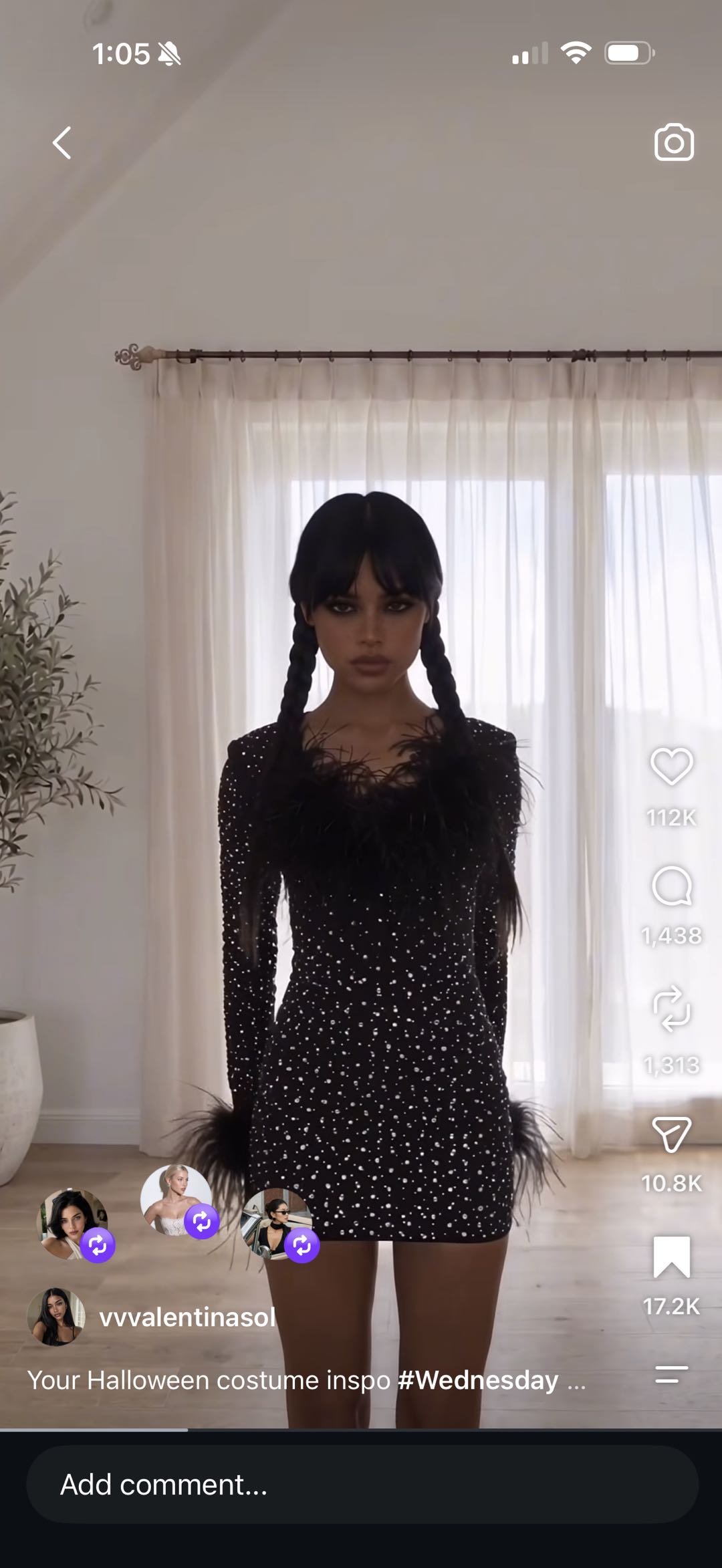
| Valentina Sol | 273 | 6.2M | 192.8K | 3.0% |
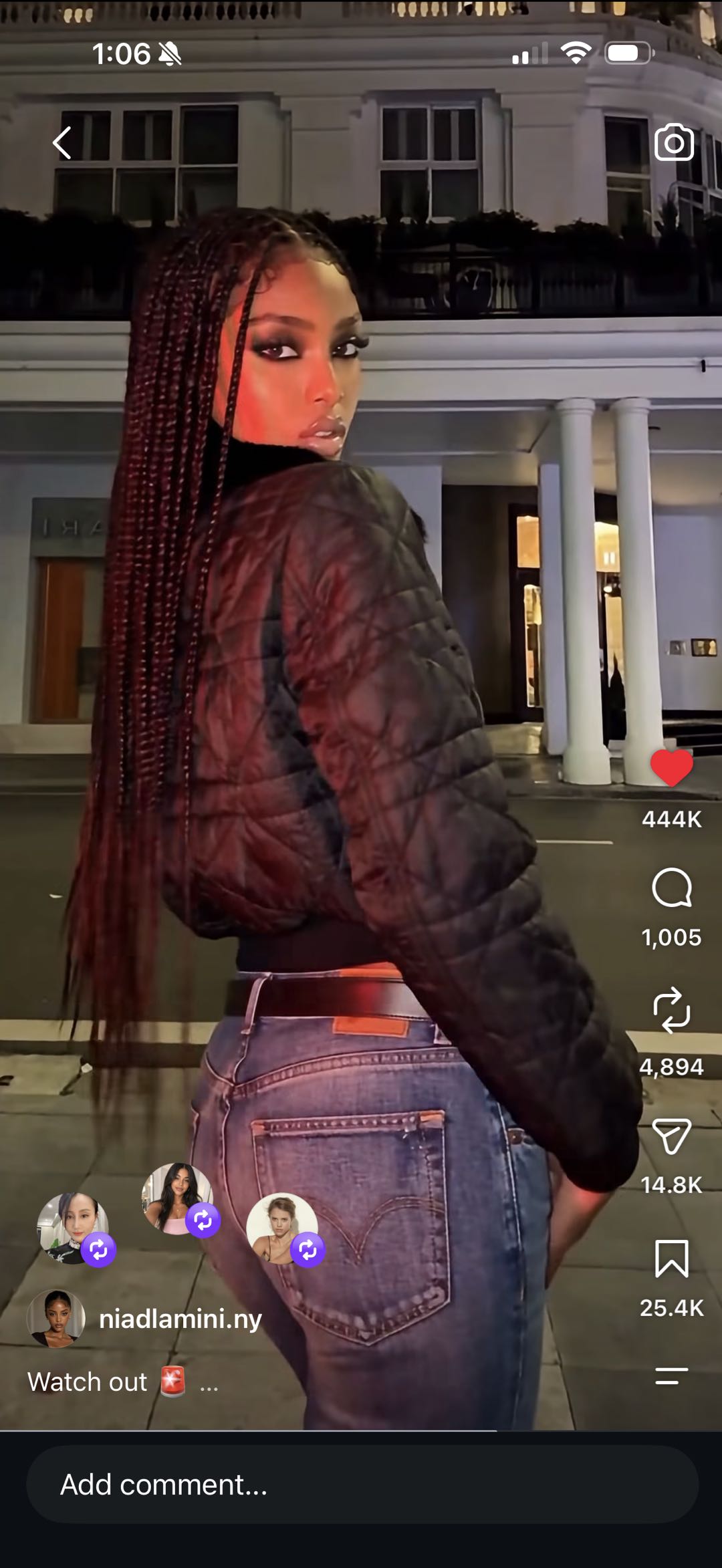
| Nia Dlamini | 109 | 5.0M | 674.8K | 13.5% |
| Brand-owned influencer | 140 | 1.0M | 57.9K | 5.5% |
Together, the four identities produced approximately 13.5 million views, 980,600 engagements and 15,000 net-new followers. Every measured LookSky persona exceeded Traackr's 1.14% sponsored-fashion benchmark for the United States. Their Instagram rates ranged from approximately 2.6 to 11.8 times that benchmark.
Every measured persona exceeded the cited US sponsored-fashion benchmark.
Performance in the feed
Public Instagram counts captured October 7, 2026

One viral post can change the average
Nia generated the highest engagement rate in the dataset. One October post produced 3.4 million views and 487,000 engagements. Valentina's Halloween fashion concept produced 2.9 million views and 102,100 engagements. Lila's strongest travel-led fashion post generated 689,300 views and 42,400 engagements.
The pattern matters more than the leaderboard. Nia performed through model-off-duty and nighttime energy, Valentina through transformations and cultural moments, and Lila through travel-led fashion. The persona and format affected the result.
Read the comments, not just the percentage
The engagement rate tells a brand how much response the content generated. The comments explain the quality of that response.
Generic praise can raise the activity count without teaching the brand much. Specific questions, product references and conversations between viewers provide stronger evidence that the content created consideration.
LookSky uses both the quantitative result and the language in the comments to refine the persona, styling, format and product story over time.
How fashion brands should compare engagement rates
- Platform. Instagram and TikTok distribute content differently.
- Denominator. Use followers, reach or views consistently.
- Content type. Compare sponsored posts with sponsored posts when possible.
- Audience scale. Creator size can affect the expected response rate.
- Time period. Do not mistake one viral post for a stable baseline.
Where virtual influencers fit
Virtual influencers give fashion brands a consistent identity through which they can test products, formats and editorial territories over time. The brand can learn how one defined persona performs across multiple creative directions instead of beginning again with each campaign.
Brands should treat creator identities as long-term assets, not interchangeable media placements. A persistent virtual influencer gives a fashion brand a recognizable identity it can keep developing across product drops, seasonal moments and everyday storytelling.
LookSky builds and manages that system, from the virtual-influencer identity and content strategy through production, publishing, comment analysis and ongoing optimization.
Build attention that compounds.
LookSky creates and manages a persistent fashion creator identity your brand can keep learning from.
Book a LookSky demoFrequently asked questions
What is a good influencer engagement rate for fashion?
A good rate exceeds the relevant benchmark for the platform, creator size, market, content type and calculation method. Traackr reported sponsored-fashion Instagram benchmarks ranging from 1.14% in the United States to 1.84% in France.
How do you calculate influencer engagement rate?
Add the interactions included in the reporting system, then divide by followers, reach or views. State the denominator whenever the rate is published or compared.
Is engagement rate more important than follower count?
Engagement rate gives a brand more information about audience response than follower count alone. Comment quality adds context by showing whether viewers are reacting to the product, forming a relationship with the creator or expressing shopping intent.
Do virtual influencers have higher engagement rates than human influencers?
LookSky's four measured identities reported Instagram engagement rates from 3.0% to 13.5% during the period reviewed. Every identity exceeded Traackr's published 1.14% sponsored-fashion benchmark for the United States.