
In this guide +
Compare creator fees, commercial add-ons and the cost of building a dedicated AI influencer—without confusing a sponsored post with an ongoing brand-owned content operation.
For a small or midsize fashion brand with a lean team and a limited budget, influencer spending has to earn its place alongside launches, product photography, paid ads and everyday content.
A human creator might quote a fee for a sponsored video. An AI tool might advertise a monthly subscription. A managed AI-influencer service might offer an ongoing content and account program.
Those prices buy different things.
A human influencer partnership can give your brand access to an existing audience, personal credibility and a real person’s creative perspective. A managed AI influencer gives your brand a dedicated persona and an ongoing operation on separate, brand-owned accounts that are distinct from your primary brand handle.
How much do human influencers cost?
Later’s July 2026 pricing guide gives these broad sponsored-post ranges. Its tier labels and figures are a starting point for discussion, not verified U.S. fashion transaction averages or a rate card for a specific video format.
| Creator tier | Follower band used by Later | Published fee guidance per post, USD |
|---|---|---|
| Nano | 1,000–10,000 | $100–$500 |
| Micro | 10,000–100,000 | $500–$2,500 |
| Macro | 100,000–1 million | $2,500–$10,000+ |
| Mega | 1 million+ | $10,000–$50,000+ |
These are not prices for a Reel-and-Stories bundle or a dedicated YouTube video. Request quotes for the exact format and scope you need. Source: Later’s 2026 pricing guide.
Lower-cost partnerships also exist. Collabstr’s 2026 report found that 80% of the collaborations analyzed on its marketplace cost under $300. That is a different population and mix of work—not a contradiction to resolve by treating one number as the universal market rate. Source: Collabstr’s 2026 report.
For your brand, the useful number is the quote from a relevant creator for an agreed brief. Follower count alone does not tell you how many people will see the post or whether they are likely customers.
Ask for recent performance and audience information alongside the rate card.
The post fee may not be the whole budget
Before comparing a human partnership with a managed AI program, clarify the commercial terms.
Ask whether the quote includes:
- The full deliverable package: A single post, a Reel with Stories, cross-platform publishing or several pieces of content.
- Content usage: Where your brand can reuse the assets and for how long.
- Paid-ad permissions: Whether you can run the content as advertising, including through the creator’s account where relevant.
- Exclusivity: Whether the creator will avoid competing brands for an agreed period.
- Changes to the brief: What happens if you request additional edits, a new concept or a reshoot.
Deliverables, usage duration and exclusivity can affect the negotiated price. Do not apply a universal surcharge: some rights are bundled, while others are quoted separately. Source: Later’s guide to creator rates and partnership terms.
For a fashion campaign, also budget for any gifted garments, shipping, returns or exchanges the arrangement requires. Count your team’s work on outreach, briefing, approvals and reporting—or the agency fee if you outsource it.
These are items to check, not costs every creator automatically charges.
Paying for permission to advertise with a creator’s content is also different from paying the platform to distribute the ad. Keep those two budget lines separate.
What could a month of human partnerships cost?
Suppose you book four micro creators for one sponsored post each during a month. Applying Later’s published $500–$2,500 band gives an illustrative total of $2,000–$10,000 in creator fees, before any separately agreed costs. This is arithmetic using a planning range—not a campaign quote or measured average. Rate basis: Later.
Those four partnerships might be worthwhile if the creators reach the right customers. They may bring perspectives and audience relationships your brand cannot reproduce on its own.
But the purchase is still four contracted posts.
Equally, a newly launched AI-influencer account does not inherit those creators’ audiences, trust or endorsement power. A month of managed AI content should not be presented as delivering the same reach or conversion value as four established influencers.
The comparison needs to cover both the work included and the audience opportunity.
Human influencer vs. managed AI influencer
| Budget consideration | Human influencer partnership | Managed with LookSky |
|---|---|---|
| What you are buying | Agreed creative deliverables and, when included, distribution to the creator’s audience. | Development and operation of a dedicated, brand-owned AI influencer. |
| How the fee is scoped | By the post, package, campaign or longer-term partnership. | An agreed managed program with defined content and account responsibilities. |
| Audience at the start | The creator may already have an established following; actual reach varies. | A new AI influencer’s accounts need to build their audience. |
| Account ownership | The creator retains their own account and audience relationship. | Your brand owns the AI persona and the separate accounts created for it; these do not replace your primary brand handle. |
| Strongest role | Trust, personal endorsement, reviews, lived product experience and conversion support. | Consistent top-of-funnel content, brand discovery, traffic generation and early creative or product signals. |
| Content use | Reuse, paid advertising and exclusivity are agreed with the creator. | Creative deliverables and usage rights are documented in the service agreement. |
| Your team’s role | Select creators, brief, coordinate products and approvals, and review results—or pay a partner to manage this. | Provide product information and direction, then approve completed work. |
| Advertising spend | Paid distribution is separate unless explicitly included. | Optional ad boosting is additional to the agreed service fee. |
Human creators can also work on retainers and long-term ambassador agreements. The distinction is not “humans are always one-off, AI is always ongoing.” It is who owns the account, what the agreement includes and who operates the work.
Where the managed model changes the cost structure
For a lean fashion team, the issue is not only what one post costs. It is how many separate production and coordination tasks the brand can keep carrying.
With individual creator partnerships, new briefs may mean more outreach, quotes, product shipments, approvals and negotiations over how content can be reused. A well-run long-term partnership can reduce that repetition, but someone still needs to manage it.
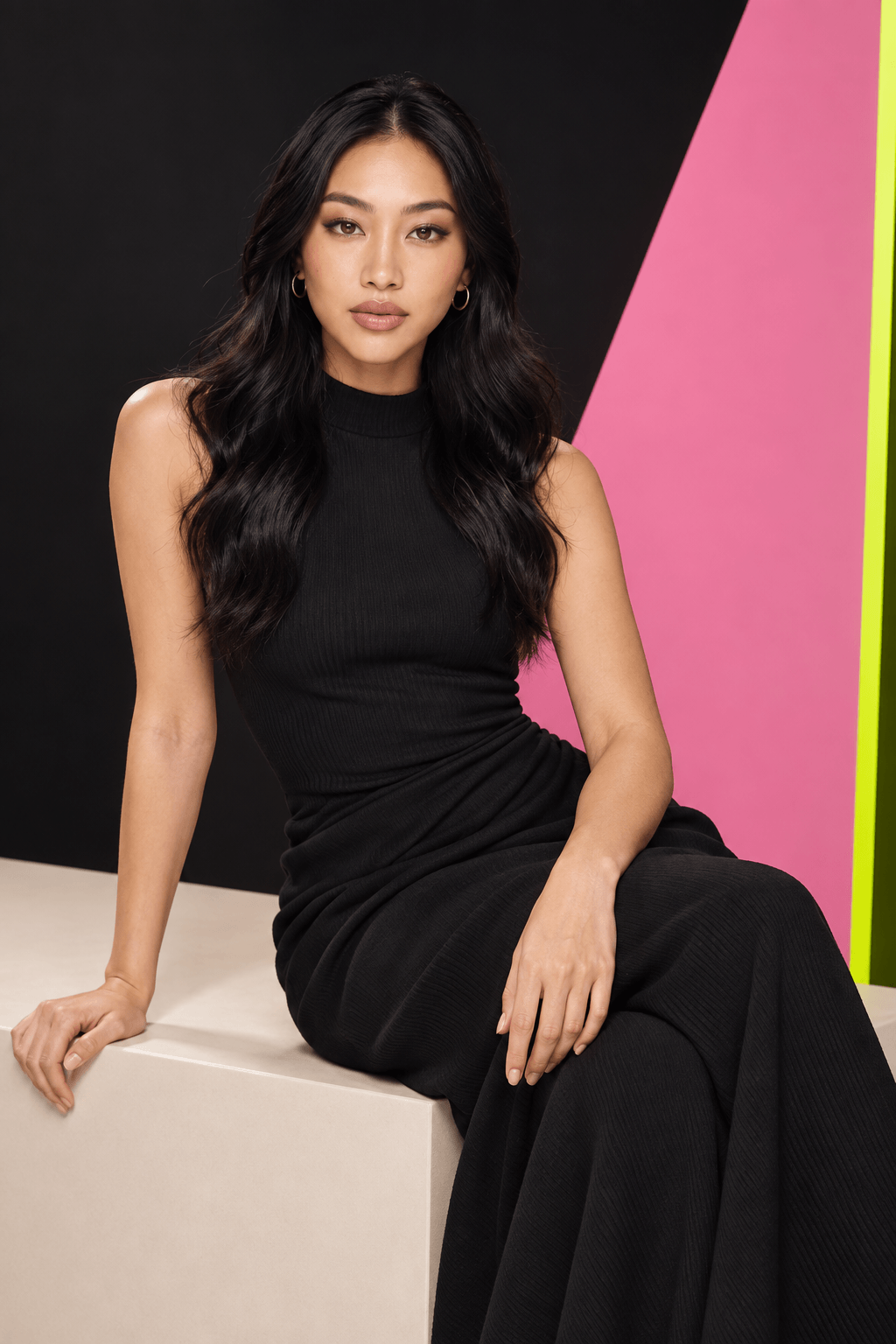
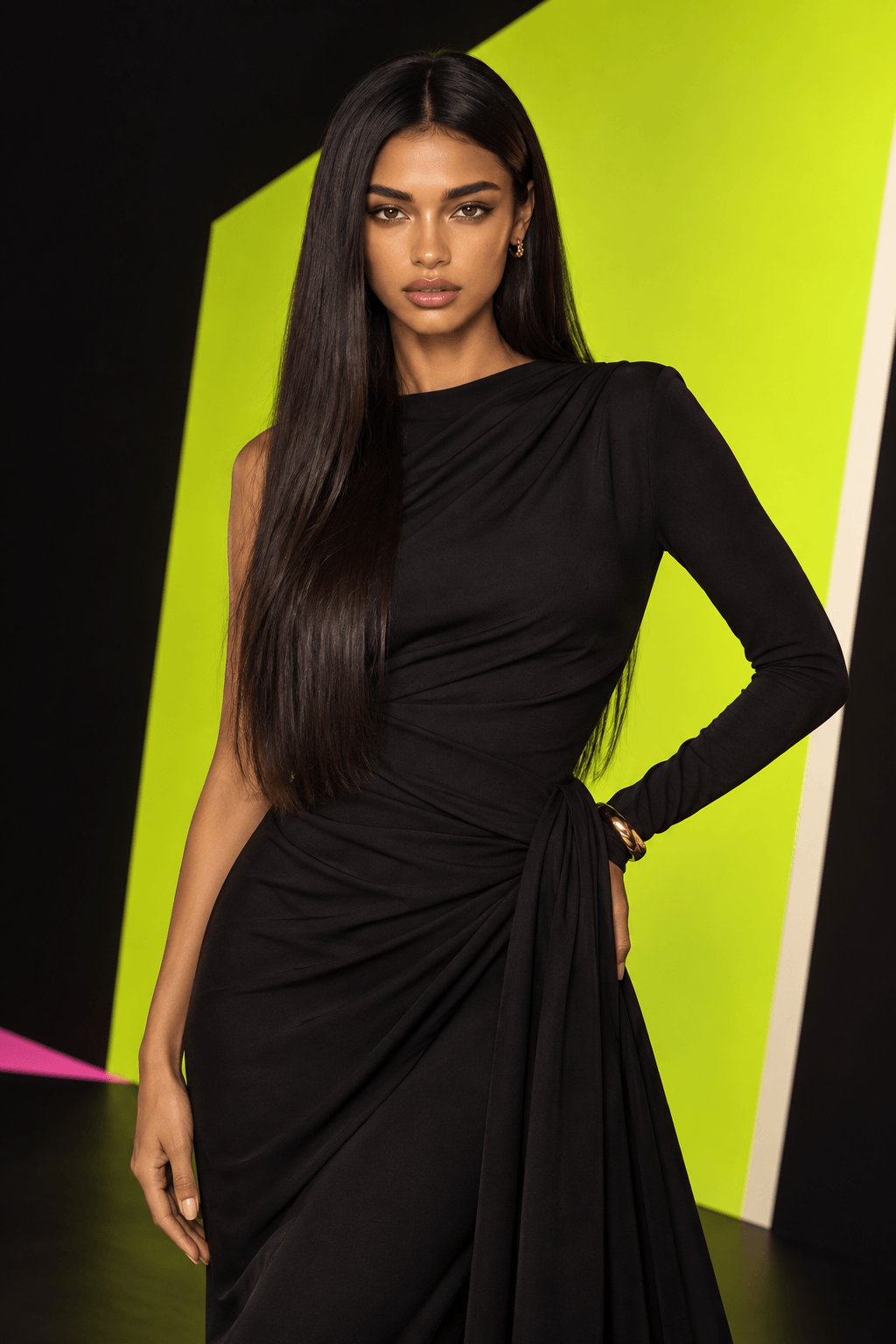
LookSky approaches the work as one connected program:
- Analyze your brand. Find its edge.
- Define the positioning. Build the influencer persona.
- Plan content and product strategy.
- Produce, publish and promote.
- Validate. Optimize. Repeat.
Your brand gets a dedicated AI persona designed as a long-term asset. LookSky runs the agreed operation on separate, brand-owned AI-influencer accounts. These accounts sit alongside—and do not replace—your primary brand handle.
Your team continues managing the primary brand channels and existing human-influencer relationships. For the AI program, you provide accurate product information, set priorities and approve completed work.
There are no additional fees for the agreed managed service. Optional ad boosting is additional. Confirm the content volume, formats, review process and account responsibilities before agreeing to the program.
The value is not simply a cheaper way to make a person appear in a picture. It is having a team responsible for the additional brand presence: character consistency, content direction, fashion accuracy, production, publishing, engagement and optimization.
Human influencer
Partnership costs
- Creator fee
- Product + shipping
- Usage + exclusivity
- Coordination
- Optional media
Self-managed AI
Tool + team time
- Software + usage
- Identity development
- Creative direction
- Fashion QA
- Publishing + learning
Managed with LookSky
Agreed service
- AI persona
- Content planning
- Production + review
- Publishing + engagement
- Optional boosting
Compare the full monthly budget
Build two short lists.
For human partnerships: Include the agreed creator fees, any separately priced usage or exclusivity, product and shipping costs, outside campaign-management fees and optional advertising spend.
For LookSky: Use the agreed managed-service fee and any optional ad-boosting budget you authorize. Do not add separate production or publishing charges for work already included in that fee.
Alongside both, record what your team must still do. Brand direction, product information and approvals do not disappear under either model.
Then ask what each budget supports:
- How much finished content will be delivered?
- Who publishes it, and on which accounts?
- Which rights and adaptations are included?
- Who handles corrections and ongoing account activity?
- Are you seeking access to an existing audience, developing a brand-owned presence, or both?
Without an approved LookSky quote and a comparable creator brief, there is no defensible universal savings percentage.
A low-cost nano partnership may cost less than a managed monthly program. A larger campaign involving multiple creators, rights and outside management may require a very different budget. Compare actual proposals rather than assuming one model is always cheaper.
Where self-service software fits
Software is a third option—not the price benchmark for a complete managed service.
For example, Midjourney lists monthly plans at $10, $30, $60 and $120 in USD as of September 16, 2026. Its page also specifies higher-tier requirements for companies with more than $1 million in annual gross revenue. Those are software prices, not a budget for staffing an influencer program. Source: Midjourney’s plan comparison.
Your team would still need to develop the identity, produce and review the content, publish and manage the accounts.
That review matters for fashion: garment length, embellished details, neckline, hemline, seams, color and fabric appearance need to match the actual product.
Self-service can fit a team with the capacity to run it. It does not solve an operating-capacity problem merely because the subscription is inexpensive.
You may need both human and AI influencers
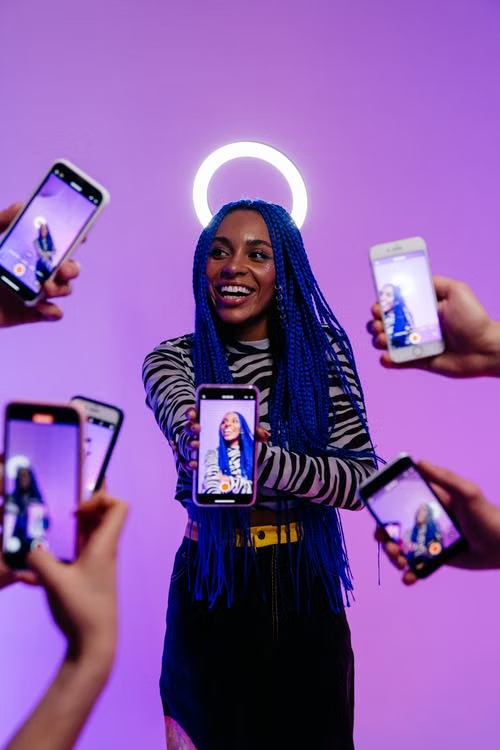
A human creator can wear the garment, discuss their genuine experience and introduce it to an audience that already knows them. An AI character cannot provide a real wearer’s experience.
A dedicated AI influencer serves a different role: a consistent, brand-directed identity with a recurring content program on accounts your brand owns. It is particularly useful for top-of-funnel brand discovery, site traffic and learning which creative or not-yet-produced product concepts attract early interest.
For example, a fashion brand could use selected human partnerships for collection launches, reviews and real-person styling, while a managed AI influencer supports ongoing product stories and creative testing between launches.
The useful question is not “which type of influencer should replace the other?” It is “which work should each budget support?”
LookSky recommends allowing at least three months to develop the AI influencer, build traffic and give the program room to gain momentum. There is no fixed minimum engagement term, and this is not a guarantee of followers, traffic or sales.
Managed by LookSky
Your AI influencer. Managed by LookSky.
Build a dedicated, brand-owned AI persona alongside your existing creator partnerships. You set the guidelines and approve the work; we manage the operation.
Book a demoFrequently asked questions
How much do human influencers charge?
Fees depend on the creator, platform, deliverables, audience and commercial terms. Published benchmarks provide a starting point, but they are not a substitute for a quote. Ask whether the price includes the content formats, usage rights, exclusivity and publishing you need.
Are AI influencers cheaper than human influencers?
Not automatically. A small human-creator partnership may cost less than a fully managed AI program. Compare the complete scope, account responsibilities and audience opportunity. A new AI account does not come with an established human creator’s following.
Does LookSky charge extra for production or publishing?
There are no additional fees for the agreed managed service. Confirm the content scope, review process and account responsibilities upfront. Optional ad boosting is additional.
Does paying for a creator’s post include advertising rights?
Do not assume it does. Confirm where the content may be used, for how long and whether paid advertising is included. Content-use permissions and the money spent distributing an ad are separate considerations. Source: Later’s guide to partnership terms.
Will LookSky replace our primary accounts or human partnerships?
No. LookSky develops dedicated AI influencers on separate, brand-owned accounts created specifically for each persona. They do not post through or replace your primary brand handle. Your team continues to manage the main brand channels and its existing human-influencer relationships.
Is there a three-month minimum commitment?
No. LookSky has no fixed minimum engagement term. We recommend at least three months to develop the influencer, build traffic and give the program room to gain momentum. That recommendation is not a promise of results.
Pricing context: sources checked September 16, 2026. Published creator ranges are broad guidance, not verified fashion-specific transaction averages. The four-creator example is illustrative, not a quote. Confirm current rates, scope and commercial terms before committing to either approach.