

Self-service has a lower upfront cost, but your team must build the character, create and check content, publish and manage the accounts. A managed service, like LookSky, builds dedicated, brand-owned AI influencers and runs them on separate secondary accounts—not your brand’s primary accounts. Your team provides product information and direction, then approves completed work. LookSky handles the ongoing operation, with no additional fees for the agreed service; optional ad boosting is extra.
Your next collection is ready. The product pages are going up. Your team is already creating content for the brand’s main social accounts, coordinating human influencers and keeping the next launch on track.
An AI influencer generator looks like a useful addition. You can create a character and explore fashion imagery without organizing another shoot. But a new tool does not answer the next question: who will turn that character into an active, consistent ambassador for your brand?
For a small or midsize fashion brand with lean teams and limited budgets, the decision is not simply whether you can make an AI influencer. It is whether you want to become the team that operates one every week.
With LookSky, the AI influencer lives on separate, brand-owned secondary accounts. These accounts give a dedicated character its own voice and presence as an ambassador for your products. They sit alongside your main brand channels; they do not replace them or take over your existing human-influencer relationships.
That distinction makes the workload question more important. You are adding a new presence—not removing the work your team already has.
Where self-service adds work
The appeal of self-service is easy to see: a lower starting cost, creative control and room to experiment. The less visible part is everything between generating a promising image and running another social account consistently.
Someone must check every garment
A generated outfit can look convincing and still get the length, embellishment or neckline wrong. Someone who knows the product must compare it with the actual garment, request corrections and check the revision. That review takes attention even when the software is easy to use.
Every post needs more than an image
The same recognizable character needs new products, settings and reasons for people to watch. Your team still has to plan concepts, run the tools, select usable output, edit it and prepare captions. Producing one strong image is different from keeping a content program moving.
Secondary accounts need daily ownership
Publishing, product links, comments, account activity and performance review do not happen just because the creative files exist. Someone needs to own those tasks on top of the brand’s primary-account content and human-influencer partnerships.
Revisions compete with existing priorities
When the social manager is correcting a hemline, the launch email still needs approval. When the founder is choosing between generations, the next collection still needs attention. These are illustrative examples of the tradeoff: self-service adds production and coordination to people who may already be at capacity.
The subscription is cheaper than a full service. But buying access to software does not buy back your team’s time. Self-service works best when you have people ready to operate it—not when you need those responsibilities taken off their plates.
One brand. Separate accounts.
An AI ambassador, not a new job.
Your team keeps running these: brand content, launches and human-influencer partnerships.
Self-service
Your team runs them
- Build the character
- Plan & create content
- Check garments & revise
- Publish & engage
- Review & improve
All of this sits alongside your existing primary-account workload.
Managed with LookSky
LookSky runs them
- You share product details
- You set brand priorities
- You approve completed work
- Analyze your brand. Find its edge.
- Define the positioning. Build the influencer persona.
- Plan content & product strategy.
- Produce, publish & promote.
- Validate. Optimize. Repeat.
For the AI ambassador’s secondary accounts. Optional ad boosting is extra.
Agency vs. generator: the difference
An AI influencer generator is software for creating characters, images or videos. Features vary: some tools support reusable identities, editing and motion as well as generation.
For example, Higgsfield’s character builder supports saved personas, editing and video options, with a workflow for training a reusable identity. Those are useful production capabilities for a team that wants to run the work itself. They are not the same as hiring people to manage a brand’s content operation. Source: Higgsfield’s AI Influencer guide
An AI influencer agency or managed service provides work performed for your brand. Providers differ, so the useful question is what they actually build and manage—not simply whether they call themselves an agency.
LookSky’s model is a dedicated, long-term character for your brand. We develop the persona and manage its secondary social accounts as an ongoing brand ambassador. This is not a one-off character made only for a particular campaign. The identity, creative direction and content program are designed to develop over time.
If you are still defining the role of the character, start with our guide to AI influencers for fashion brands.
Who does the work?
This comparison focuses on operating dedicated AI-influencer accounts alongside your existing brand channels. Your team continues to run the primary brand accounts in either case.
| Responsibility | Self-service | Managed with LookSky |
|---|---|---|
| Brand direction | Your team sets the products, audience and priorities. | Your team supplies product information, brand guidelines and priorities. |
| Dedicated character | Your team builds the persona and maintains its consistency. | LookSky develops a dedicated, brand-owned AI ambassador for long-term use. |
| Content production | Your team plans concepts, runs the tools and finishes the assets. | LookSky plans and produces the content for the agreed program. |
| Product checks and revisions | Your team checks garment details and coordinates corrections. | LookSky reviews and refines the work; your team approves completed content against accurate product references. |
| Secondary accounts | Your team publishes, handles account activity and reviews results. | LookSky manages publishing, community engagement and optimization on separate, brand-owned accounts. |
| Your ongoing role | Creative production and account operations, alongside existing work. | Product input, direction and approval of completed work. |
The difference is not whether your brand has a say. It is whether your team must operate each task to keep the influencer active.
When self-service fits
A generator can be a good choice when your creative operation already works and you want another production tool. The important condition is that the people—not just the subscription—are in place.
If you have someone to plan content, someone to operate the tools and edit the output, and someone to manage the accounts, generation can fit into that workflow. It can also be useful for internal visual exploration before committing to a creative direction.
Test it with an ordinary product brief, including a garment with a distinctive print, textured fabric or embellished detail. Have the person who will use the software carry the work through to a finished, publishable asset.
Then ask whether your team could repeat that process during a busy launch week. A successful experiment needs to fit your staffing and deadlines as well as your visual standards.
When managed support fits
A managed service makes more sense when you want an AI ambassador working for your brand without building another internal team around it.
Your social manager already has the main accounts to maintain. Your founder already approves campaigns between supplier calls. Human influencers still need briefs, samples, follow-ups and content reviews. Adding secondary AI-influencer accounts should not mean every new task lands with those same people.
With LookSky, your team provides the product information, sets priorities and approves completed work. We handle persona development, content planning, production, publishing, community engagement and ongoing optimization for the secondary accounts.
Your brand stays involved in the decisions that matter—what to promote, how products should be represented and what is ready to publish. You do not need to become the prompt writer, retoucher, production coordinator and account manager as well.
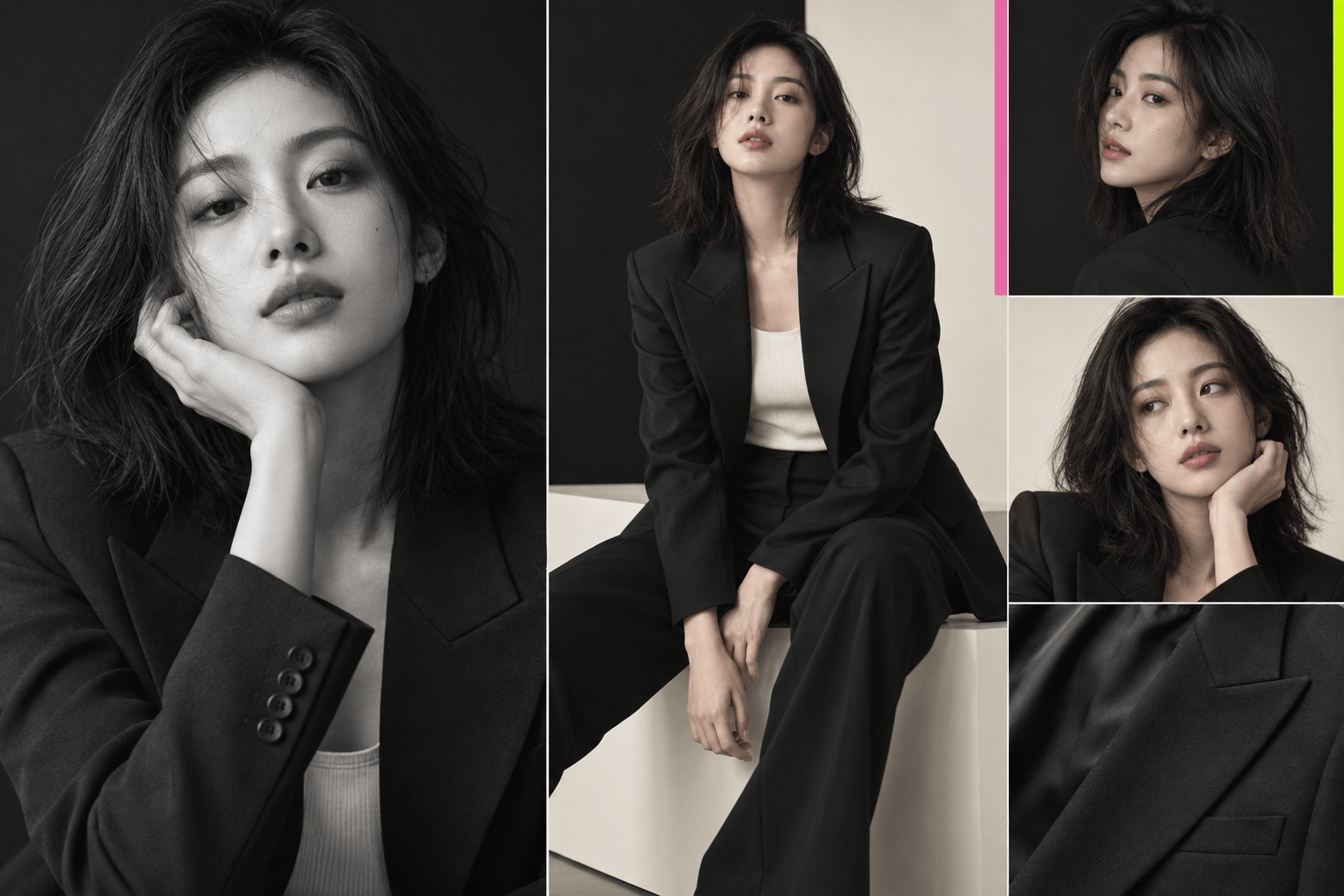
Test the fashion details
Consider a simple evaluation brief: the same character wearing a satin dress in an evening image, a styling post and a short movement clip. The point is to see whether both the persona and the garment hold together across several pieces of content.
Give each option the same product references and brand direction. Then check:
- Product accuracy: Check garment length, embellished details, neckline, hemline, seams, color and fabric appearance against the actual garment.
- Character consistency: Review the face, proportions, styling and tone across the set—not just in the best single image.
- Useful variety: Do the concepts offer different ways to show the product, or simply change the background?
- Revisions: Ask for a specific correction and assess the result and the work needed from your team.
- Publishing readiness: Check the finished crop, caption and product destination, not just the raw image.
A generated fashion image should not be treated as evidence of how a garment feels or fits on a real person. The production test is about accurate representation and a usable workflow; audience response needs to be evaluated once content runs.
A simpler way to compare costs
Self-service costs less to access. You pay for the software, then use your own team to build the character, create content, correct it and manage the accounts. It can be a sensible choice if that capacity already exists.
LookSky is a full managed service. You pay for the agreed program, provide direction and approve completed work for the secondary accounts. We handle the production and day-to-day operation. There are no additional fees for that agreed service. If you choose to boost an ad, that optional advertising spend is additional.
The question is not whether a software subscription is cheaper—it is. The question is whether your team wants to take on the work that comes with it.
Before choosing, make a simple list of who would handle content planning, generation, editing, garment checks, revisions, publishing and account management. If those tasks would fall to people who are already stretched, compare the managed fee with the support you actually need, not with software access alone.
There is no universal savings figure to apply to every brand. The practical value of managed support is knowing who will carry the work through while your team stays focused on the business.
Questions to ask before hiring
Ask a potential partner to explain the full content cycle using a product similar to yours.
Is this a long-term brand asset?
LookSky builds dedicated characters, not campaign-only personas. Ask how the character’s identity, styling and content direction will stay consistent as products and seasons change.
Which accounts will you manage?
Be clear about the distinction between the brand’s main channels and the AI influencer’s secondary accounts. With LookSky, the AI ambassador operates on separate, brand-owned accounts; your primary accounts remain with your team.
How do you check products?
Ask what references are needed, how corrections are handled and what your team will review before publication. Look for specific answers about garment construction, details and consistency.
What do we own and receive?
Confirm the dedicated character, account ownership and access, creative deliverables and usage rights in the agreement. Being brand-owned should be clear in the working arrangement, not just in the sales conversation.
How will you review results?
Ask how the partner uses performance to improve the next content. Views and interactions show something different from website visits and purchases. The reporting should distinguish them rather than treat all attention as sales.
Where LookSky fits
LookSky builds and manages dedicated AI fashion influencers as long-term, brand-owned assets. Each persona acts as a brand ambassador on separate secondary accounts, complementing the main brand channels your team already runs.
You provide product information, brand guidelines and marketing priorities, then approve completed work. LookSky handles the persona, account setup, content planning and production, publishing, community engagement and optimization. The platforms, content volume, deliverables and schedule are agreed upfront.
This is an additional presence for your brand with an operating team behind it—not another account you need to staff yourself.
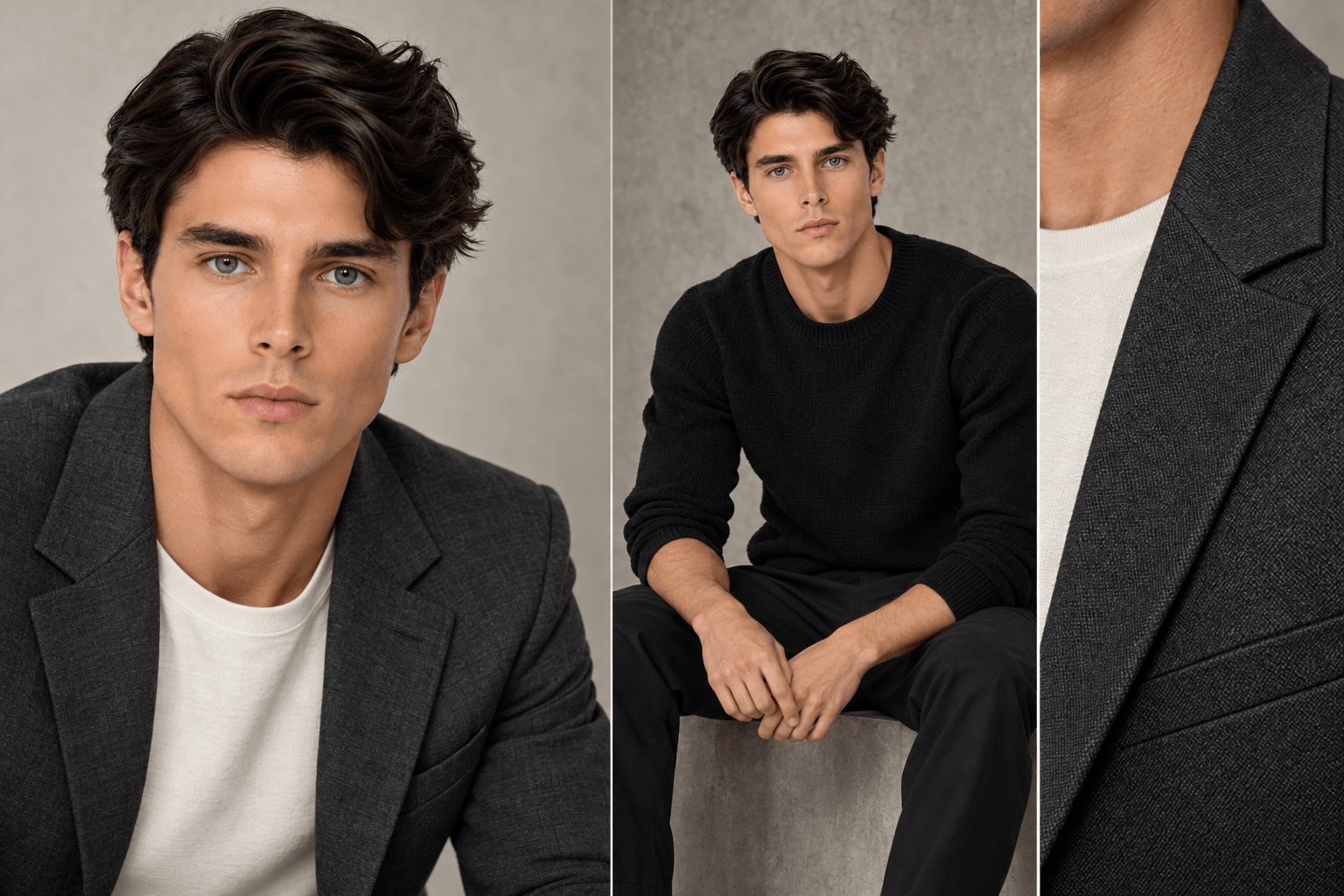
Early client results
LookSky’s managed client accounts have already generated measurable attention. Company data as of September 1, 2026 reports approximately 1.3 million aggregate views across two managed AI influencers and 61,700 interactions across six platform accounts.
Managed client accounts
Early visibility. Real engagement.
- Aggregate views
- 1.3MAcross two managed AI influencers
- Reported interactions
- 61.7KAcross six platform accounts
These are early results from the managed client program, separate from LookSky’s own influencer network. They show visibility and engagement; they do not establish unique audience reach, website traffic or sales. Outcomes vary, and these figures are not a forecast for a new brand.
For your program, agree on what matters next: which products earn attention, which content prompts people to interact, and—where tracking is available—whether people visit your store. A managed service should turn those observations into the next content decisions.
Give the character time to develop
LookSky has no fixed minimum engagement term. We recommend at least three months to develop the AI influencer, build traffic and give the program room to gain momentum. That is a recommendation, not a mandatory contract length or a guarantee of results.
A long-term ambassador needs more than one polished post. Publishing, reviewing audience response and refining the content give the character a chance to develop beyond the first creative concept.
Your AI ambassador. Our team behind it.
A dedicated, brand-owned character on secondary accounts. You set the direction and approve completed work. LookSky runs the operation.
Book a demoFrequently asked questions
Do I need an agency to create an AI influencer?
No. A self-serve generator can help you create a character and produce content. Your team still needs to handle creative direction, product checks, revisions, publishing and ongoing account work. A managed service is useful when you want those responsibilities handled rather than added to your team’s workload.
Is self-service cheaper than LookSky?
Self-service software has a lower upfront cost, but your team builds the character, produces the content and manages the accounts. LookSky’s managed fee covers the agreed service while your team provides direction and approves completed work. There are no additional fees for that agreed service; optional ad boosting is extra.
Does LookSky use our main brand accounts?
No. LookSky manages the AI influencers on separate, brand-owned secondary accounts. They act as dedicated ambassadors for your products alongside your primary brand channels. Your team continues to manage the main brand accounts and its existing human-influencer relationships.
Are the AI influencers owned by our brand?
Yes. LookSky builds dedicated, brand-owned AI influencers and runs them on brand-owned secondary accounts. They are intended as long-term assets, not characters created only for one campaign. Account access, creative deliverables and usage rights are documented in the service agreement.
What does our team need to do?
Your team supplies accurate product information, brand guidelines and marketing priorities, then approves completed work. LookSky handles persona development, account setup, content planning and production, publishing, community engagement, performance reporting and ongoing optimization for the agreed secondary accounts.
Does LookSky require a three-month commitment?
No. LookSky has no fixed minimum engagement term. We recommend allowing at least three months to develop the AI influencer, build traffic and give the program room to gain momentum. This is a recommendation, not a mandatory contract length or a guarantee of followers, traffic or sales.
Choose the support your team can use
If you have the people and capacity to run a new content program, a generator can be a useful tool. If the same lean team is already managing your main accounts, human influencers and launches, another subscription may leave the workload question unanswered.
LookSky’s managed model gives your brand a dedicated AI ambassador on secondary accounts, with a team responsible for keeping the work moving. Your brand owns the presence. Your team sets the direction and approves the work. You do not have to build the operation yourself.
Sources and context: generator features checked against the linked documentation on September 10, 2026. Client results are LookSky company-reported data as of September 1, 2026, for two managed AI influencers across six platform accounts. Client identities are withheld for privacy. Views are aggregate, not unique reach. Production examples and AI-generated imagery are illustrative, not client campaigns; the responsibility map describes the operating model, not measured time or cost savings.